
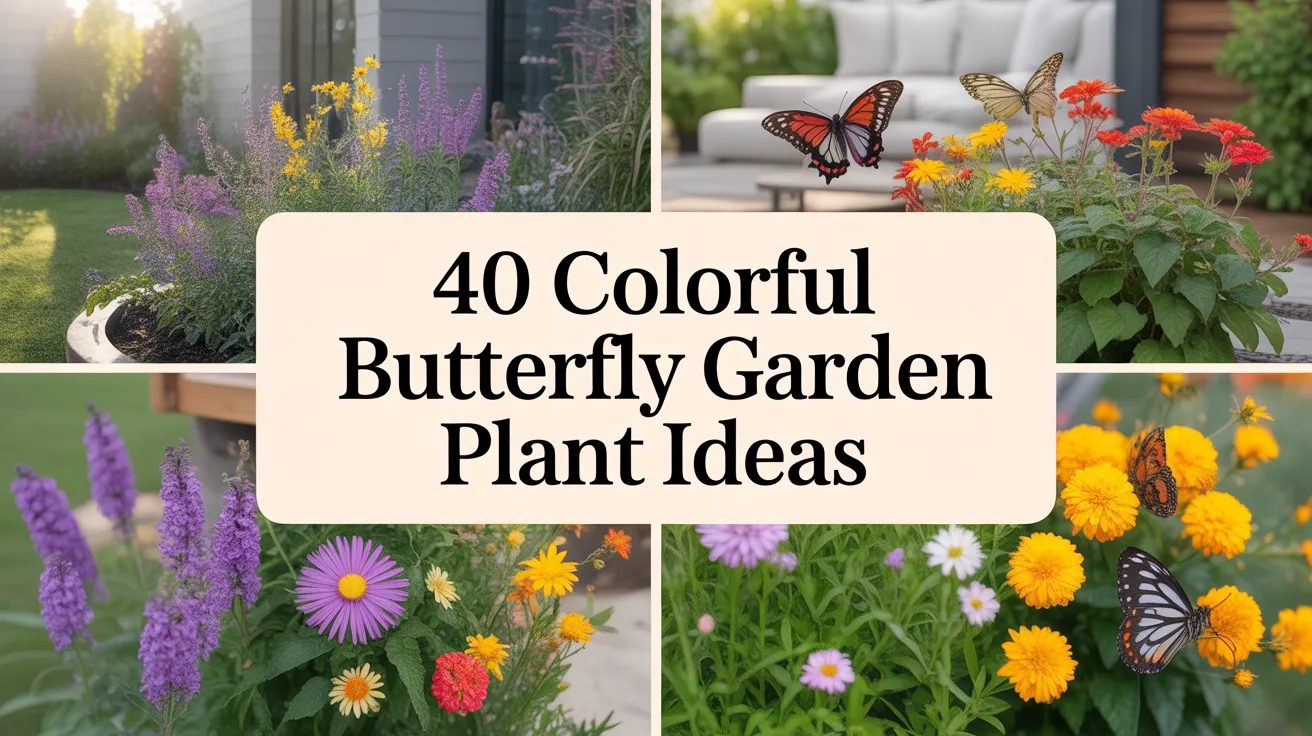
Butterfly garden plants are an excellent way to transform any backyard into a colorful and lively natural habitat. These plants provide nectar, shelter, and breeding support for butterflies while also enhancing the visual beauty of your outdoor space. By choosing a variety of butterfly garden plants with different colors and bloom times, you can ensure year-round attraction of butterflies and other pollinators. Bright flowers like purple, yellow, red, and orange are especially effective in creating a vibrant garden environment. A well-planned butterfly garden also supports biodiversity and promotes a healthier ecosystem.
In addition to beauty, butterfly garden plants are usually easy to grow and maintain in most climates. Many of these plants are drought-tolerant and thrive in sunny locations with well-drained soil. Mixing tall, medium, and ground-cover butterfly garden plants creates depth and visual balance. Whether you have a small backyard or a large garden space, adding butterfly-friendly plants can create a peaceful and relaxing outdoor retreat.
1. Bright Coneflowers for Long-Lasting Blooms
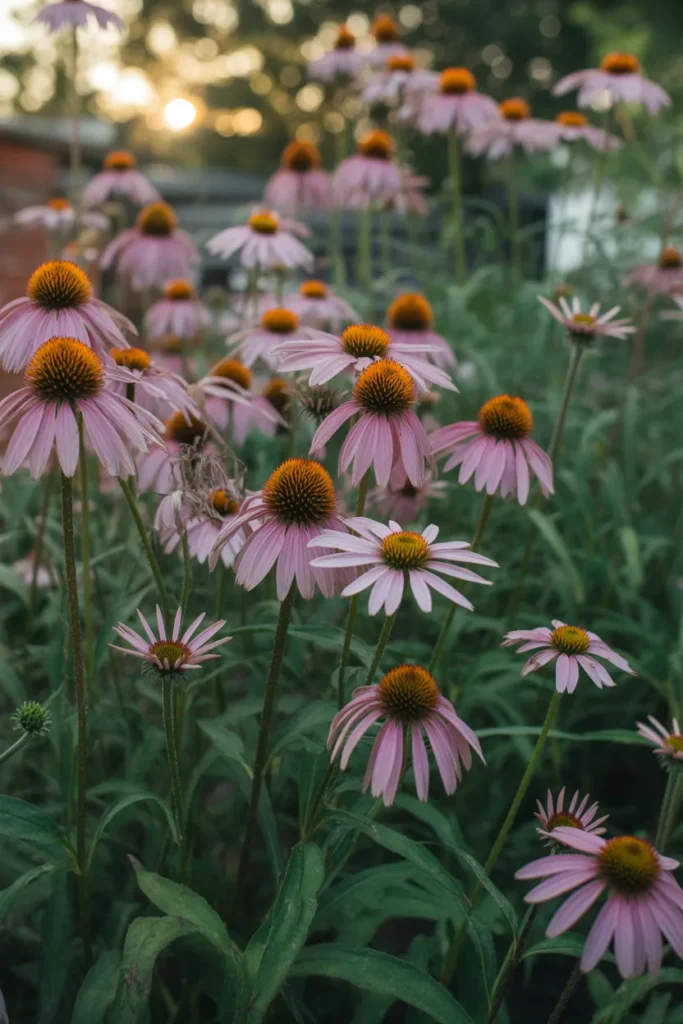
Coneflowers are a must-have if you want bold color and reliable blooms throughout summer. Their raised centers and wide petals create the perfect landing pads for butterflies. These hardy perennials thrive in sunny backyards and tolerate heat with ease. Plant them in clusters to create a dramatic sweep of color that instantly elevates your outdoor space.
2. Fragrant Lavender Borders
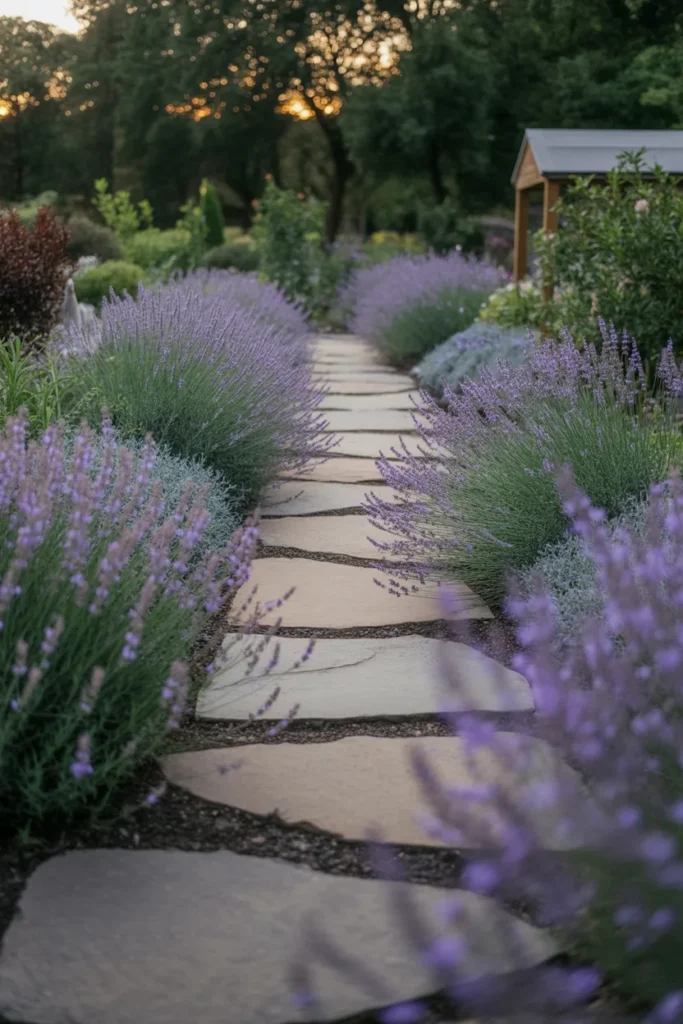
Lavender adds both fragrance and soft purple hues that attract butterflies from afar. Its slender stems and delicate flowers bring movement and texture to garden beds. This drought-tolerant plant works beautifully along pathways or as a border accent. The calming scent also transforms your backyard into a relaxing retreat.
3. Cheerful Zinnias for Bold Color
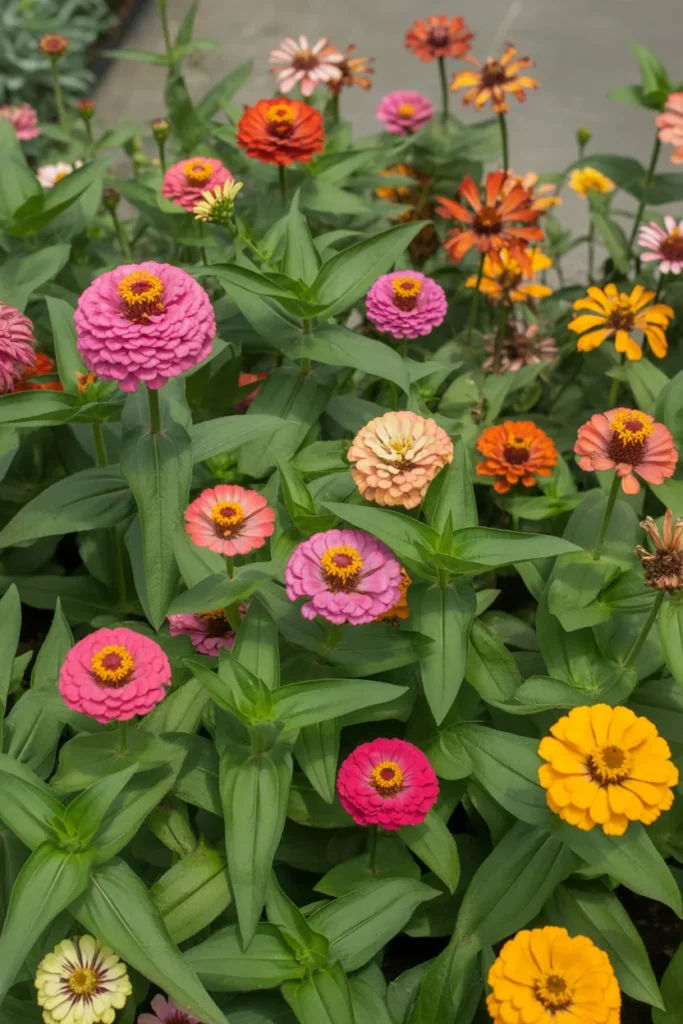
Zinnias are known for their vivid shades of pink, orange, red, and yellow. These annual flowers bloom generously, providing nectar all season long. They are easy to grow from seed and flourish in sunny areas. Mixing multiple colors together creates a lively and eye-catching garden display.
4. Milkweed for Monarch Magic
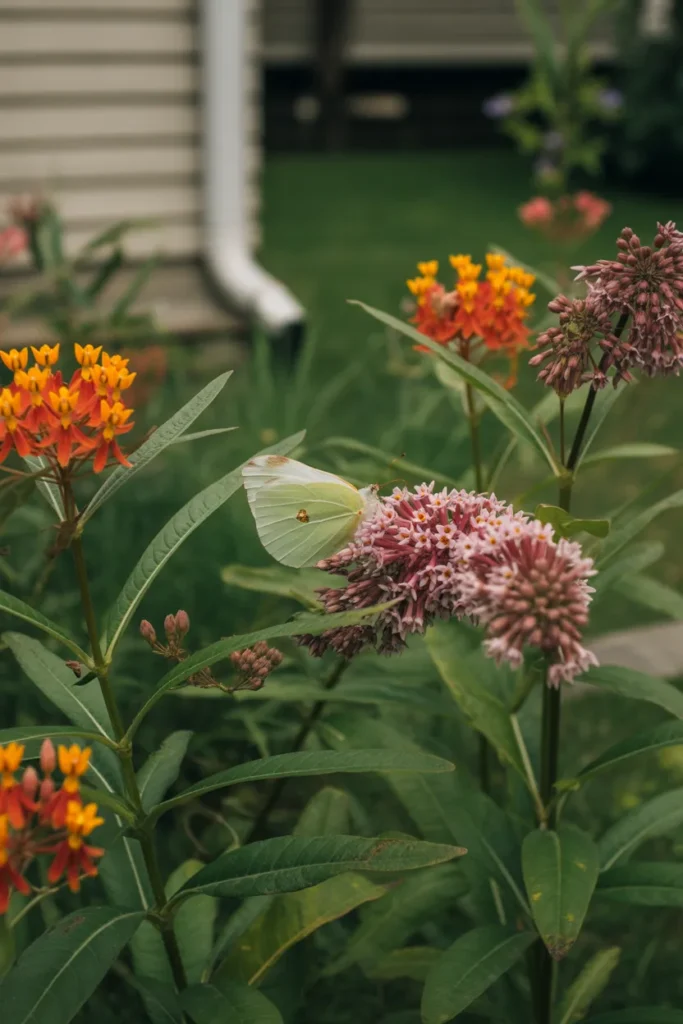
Milkweed is essential for attracting monarch butterflies and supporting their life cycle. Its bright blossoms add warm tones to your backyard beds. Beyond beauty, it serves as a host plant where caterpillars can thrive. Planting milkweed ensures your garden supports both pollinators and vibrant color.
5. Black-Eyed Susans for Golden Glow
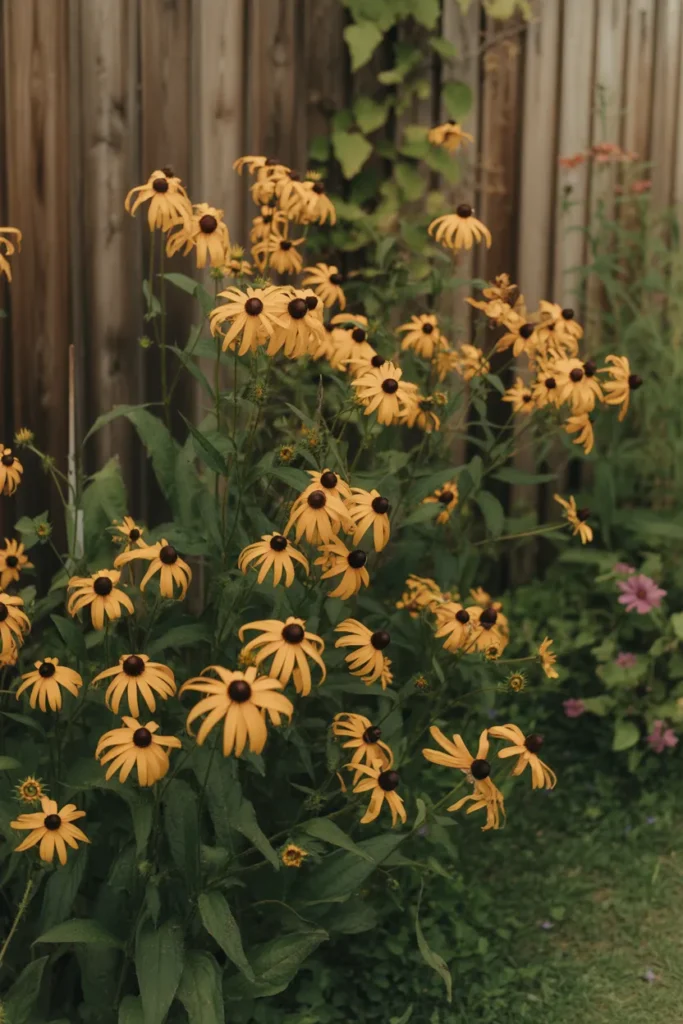
Black-eyed Susans deliver cheerful yellow petals with dark centers that stand out beautifully. These tough perennials bloom from midsummer into fall. Their bright presence pairs well with purple and pink flowers. Together, they create a warm and inviting backyard environment.
6. Butterfly Bush for Dramatic Height
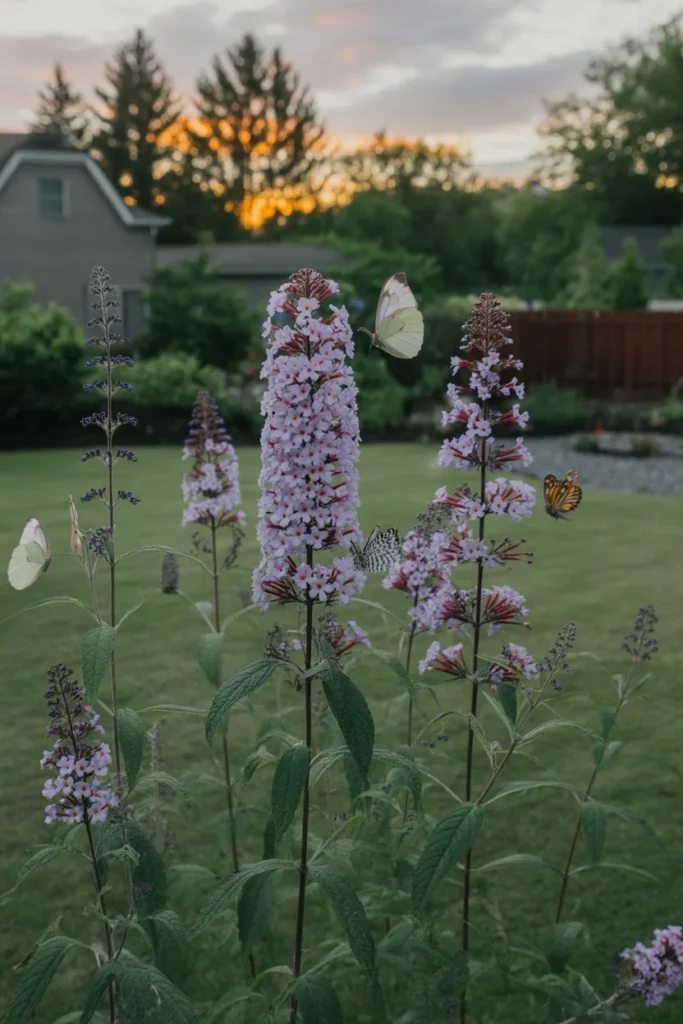
The butterfly bush produces cone-shaped clusters of flowers that butterflies adore. Its tall structure adds height and depth to garden layouts. Available in shades of purple, white, and pink, it blends well with other flowering plants. This shrub becomes a stunning focal point in any backyard design.
7. Lantana for Tropical Vibes
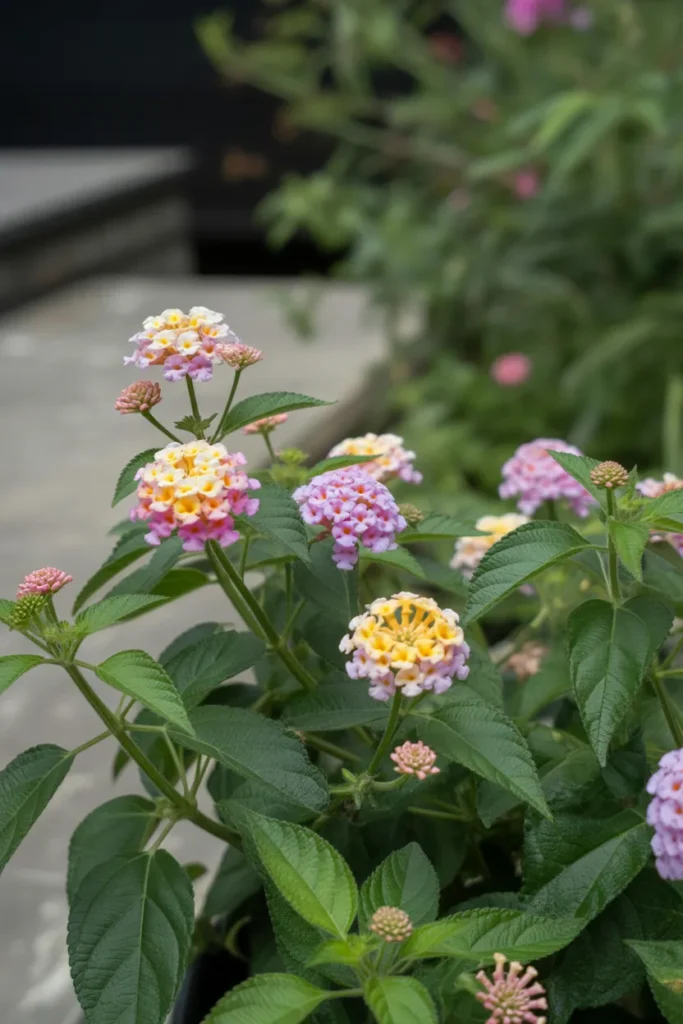
Lantana offers clusters of tiny flowers that shift between orange, yellow, and pink tones. Butterflies are drawn to its continuous blooms and sweet nectar. It performs well in hot climates and containers alike. Adding lantana instantly brings a vibrant, tropical energy to your outdoor space.
8. Salvia for Elegant Spikes
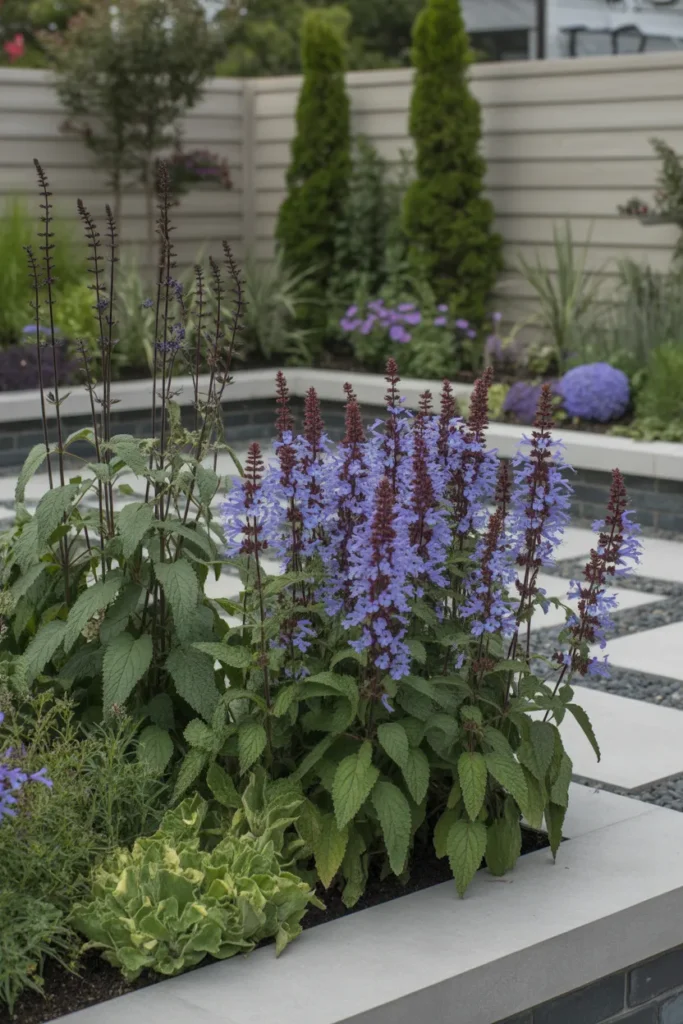
Salvia produces vertical spikes that add architectural interest to flower beds. Its blue and purple tones create a calming yet colorful backdrop. Butterflies frequently visit its nectar-rich blooms throughout the season. Pairing salvia with yellow flowers creates striking color contrast.
9. Marigolds for Warm Accents
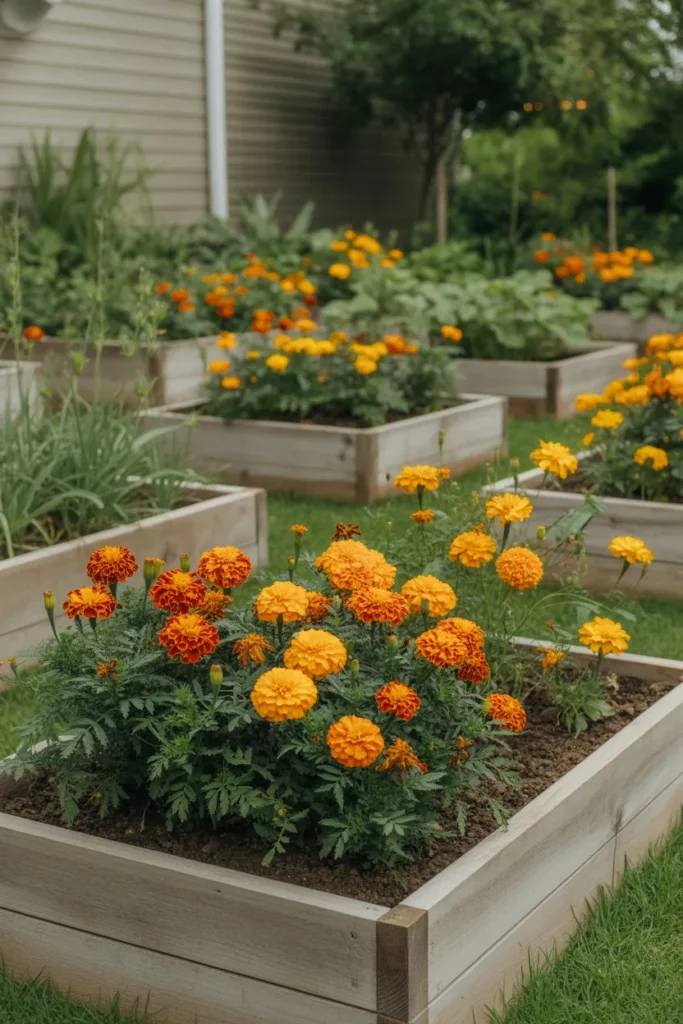
Marigolds bring fiery orange and golden shades to garden borders. They are easy to maintain and bloom consistently in full sun. Their strong scent can also help deter unwanted pests. Planting marigolds among other flowers enhances both beauty and practicality.
10. Asters for Late-Season Beauty
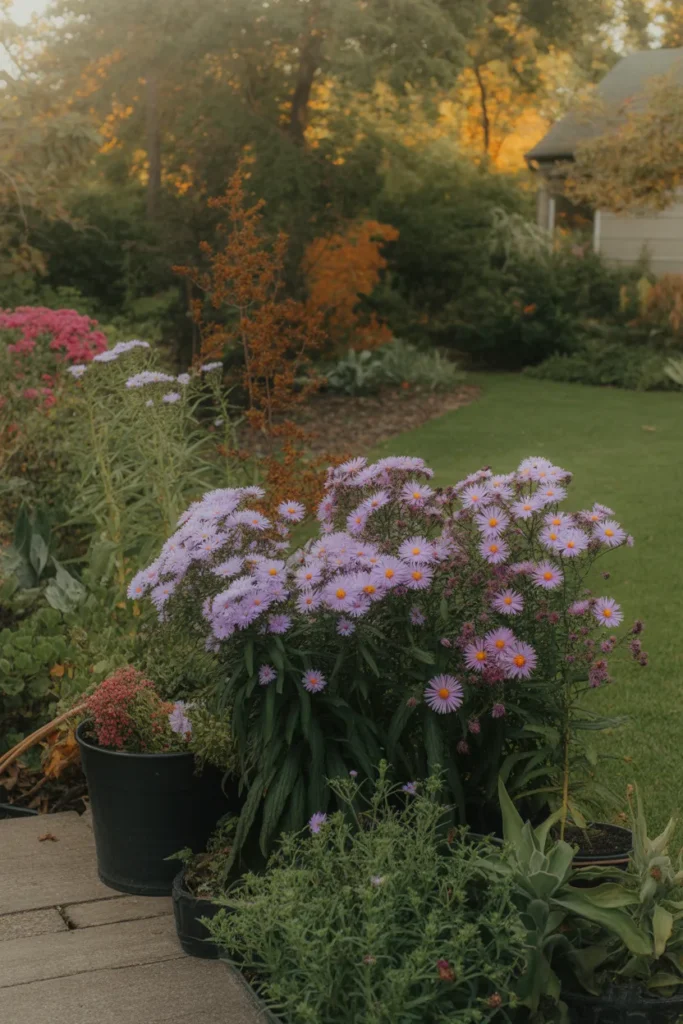
Asters bloom later in the season, providing crucial nectar when other flowers fade. Their daisy-like petals add soft purple and pink tones. Butterflies rely on these blooms during early fall. Including asters ensures your backyard remains colorful and lively even as summer ends.
11. Bee Balm for Vibrant Clusters
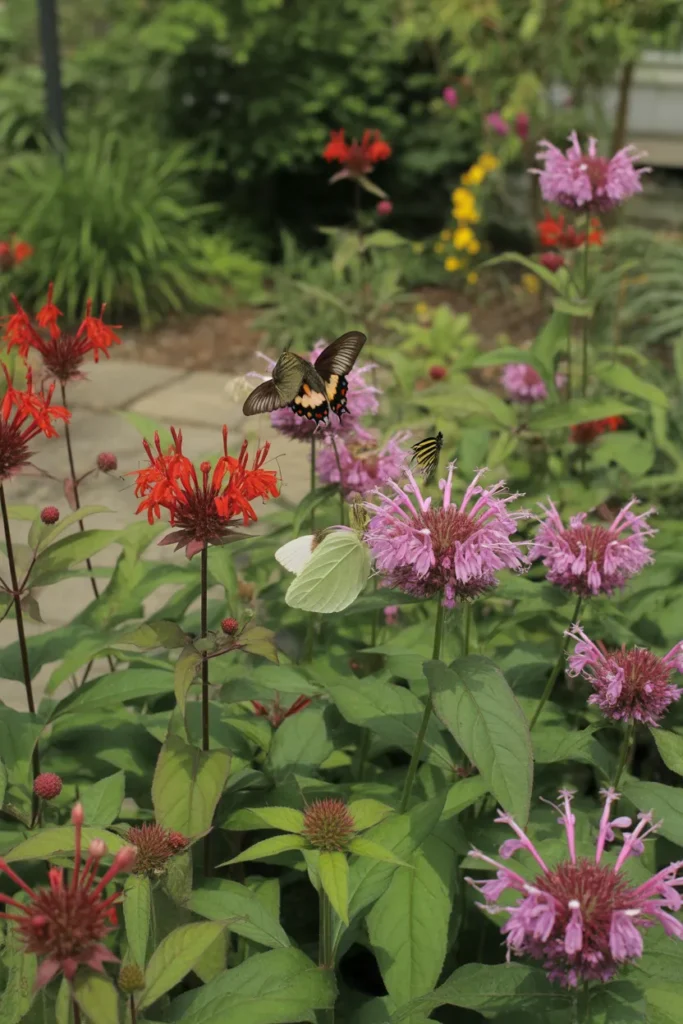
Bee balm produces striking, spiky blooms in shades of red, pink, and purple. These nectar-rich flowers are irresistible to butterflies throughout the summer months. Their bold texture adds depth and movement to garden beds. Plant them in sunny areas with good airflow for the healthiest growth.
12. Pentas for Continuous Color
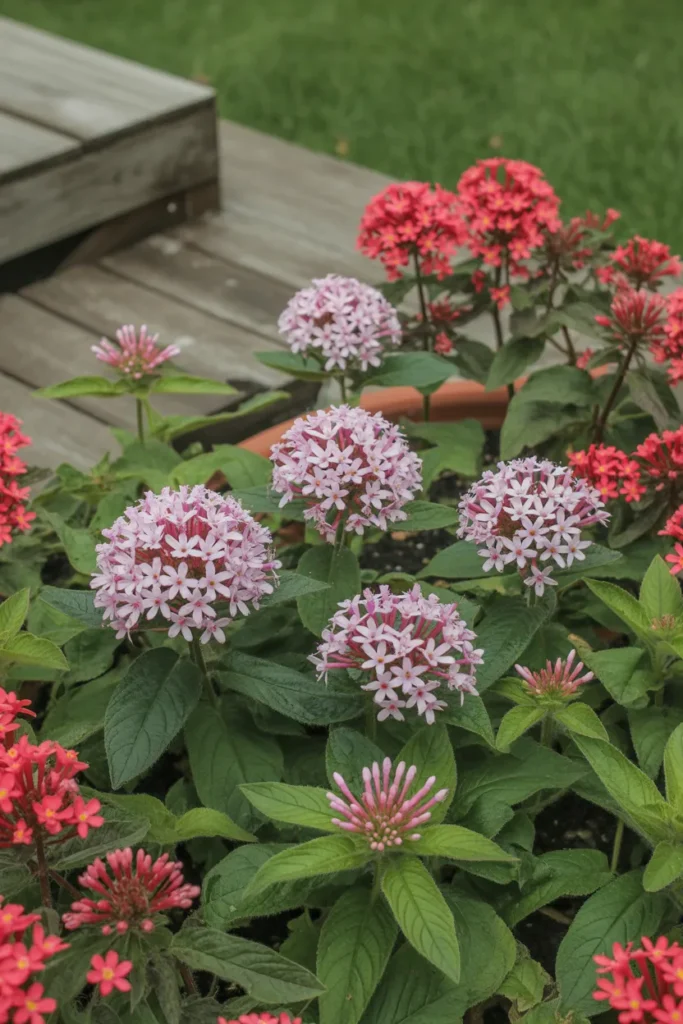
Pentas feature star-like flower clusters that bloom consistently in warm weather. Butterflies frequently visit these blossoms for their abundant nectar. They thrive in containers, borders, or layered flower beds. Adding pentas ensures your backyard remains bright and lively for months.
13. Cosmos for Airy Elegance
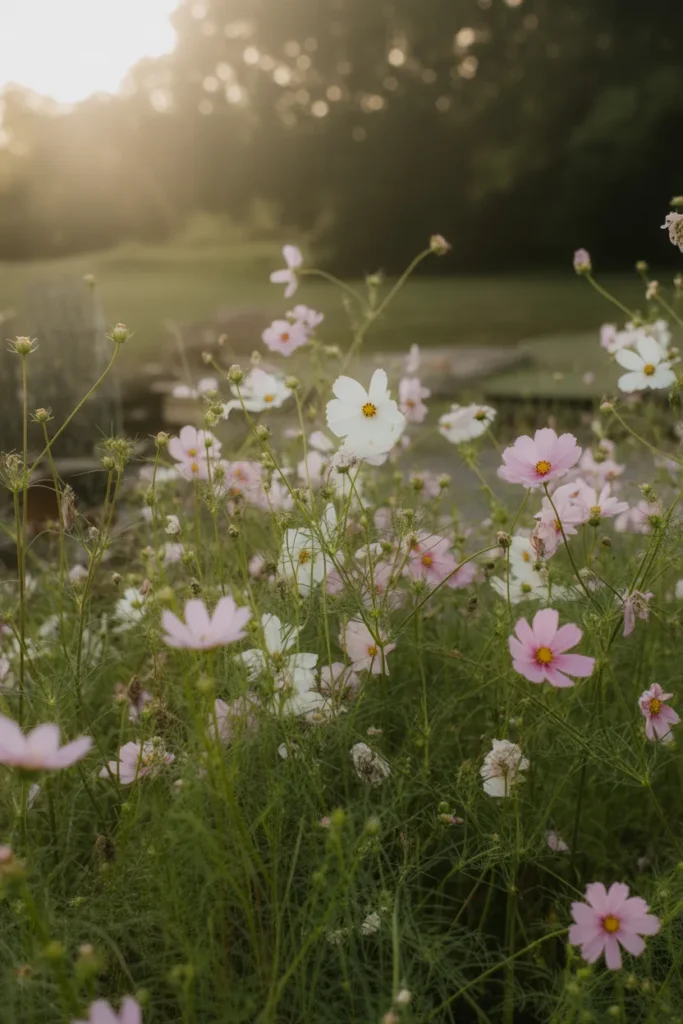
Cosmos bring a light and airy feel with their daisy-like petals and feathery foliage. These easy-to-grow annuals bloom generously in sunny spaces. Butterflies are naturally drawn to their open flower centers. Mixing cosmos with bold blooms creates a balanced and charming display.
14. Coreopsis for Sunny Cheer
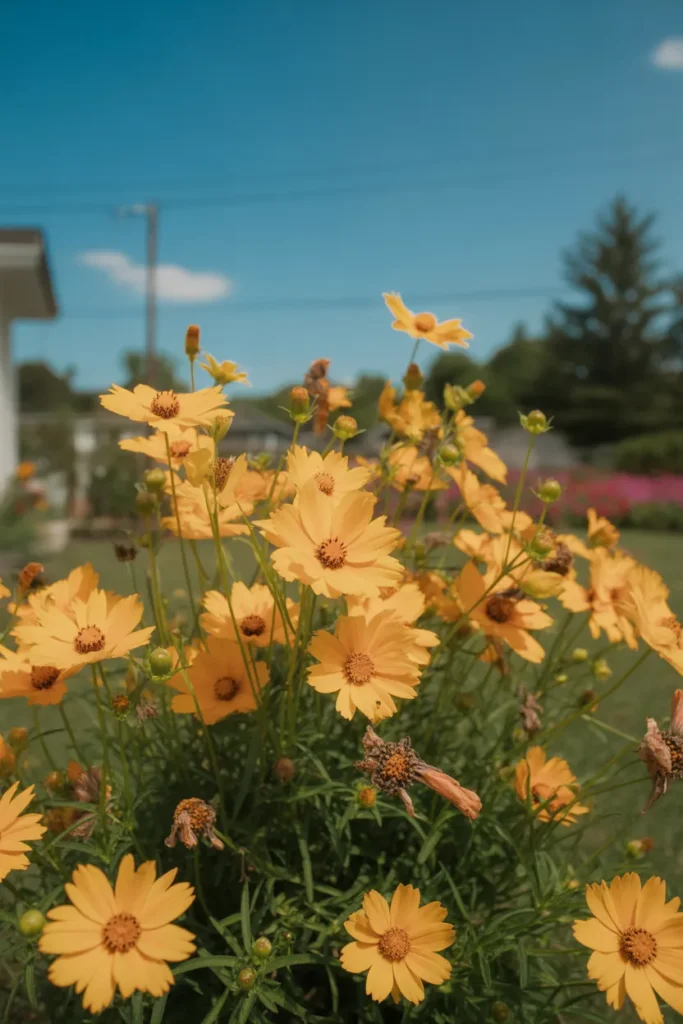
Coreopsis delivers waves of golden-yellow blossoms that brighten any garden corner. Their long blooming season provides a steady nectar source. These low-maintenance plants thrive in full sun and well-drained soil. Pair them with purple flowers for a stunning contrast.
15. Verbena for Ground-Level Beauty
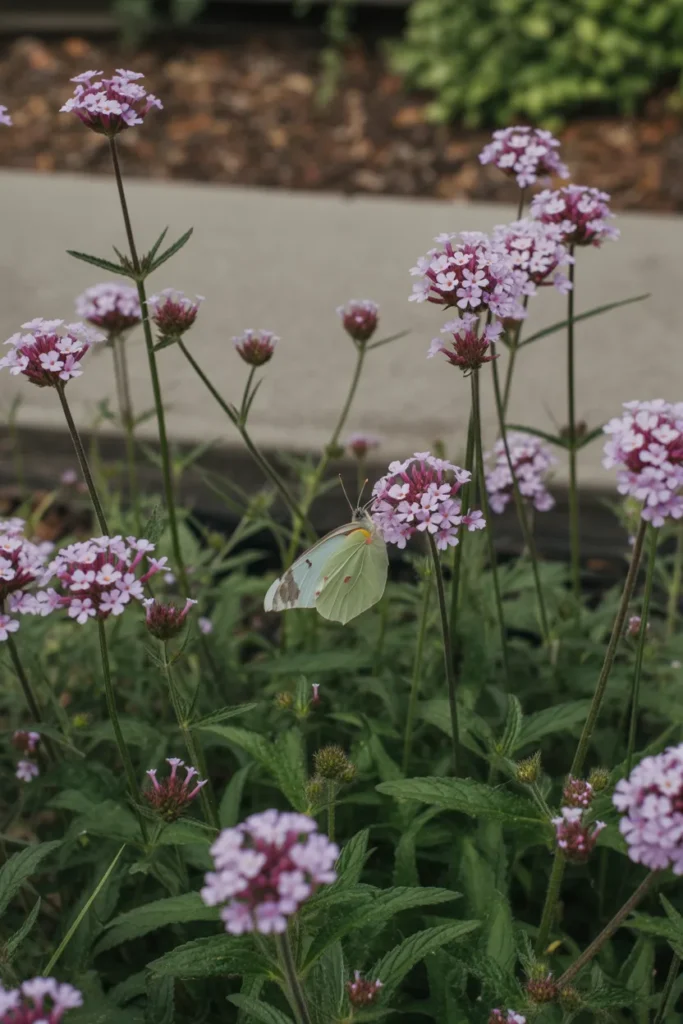
Verbena spreads beautifully across garden beds, forming colorful mats of blooms. Butterflies are attracted to its clustered flowers and sweet nectar. It works wonderfully in borders, hanging baskets, or as ground cover. This plant adds layers of color near the base of taller varieties.
16. Phlox for Fragrant Charm
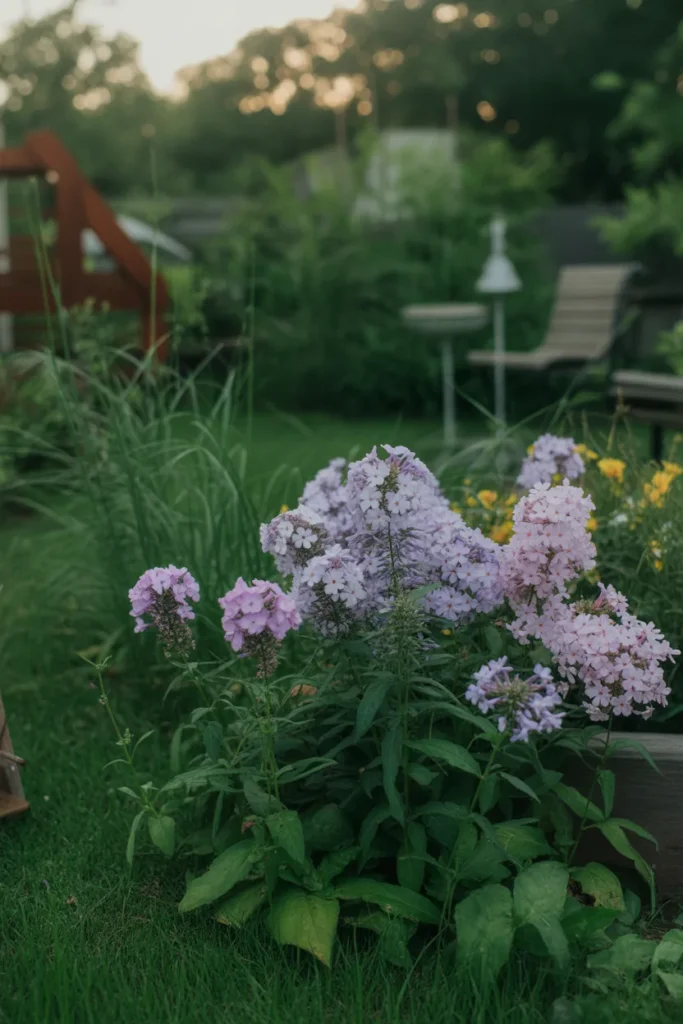
Garden phlox produces fragrant flower clusters in soothing pastel tones. These perennials bloom in midsummer and draw butterflies consistently. Their tall stems create vertical interest among shorter plants. Planting phlox in groups enhances both color and scent.
17. Goldenrod for Late-Season Glow
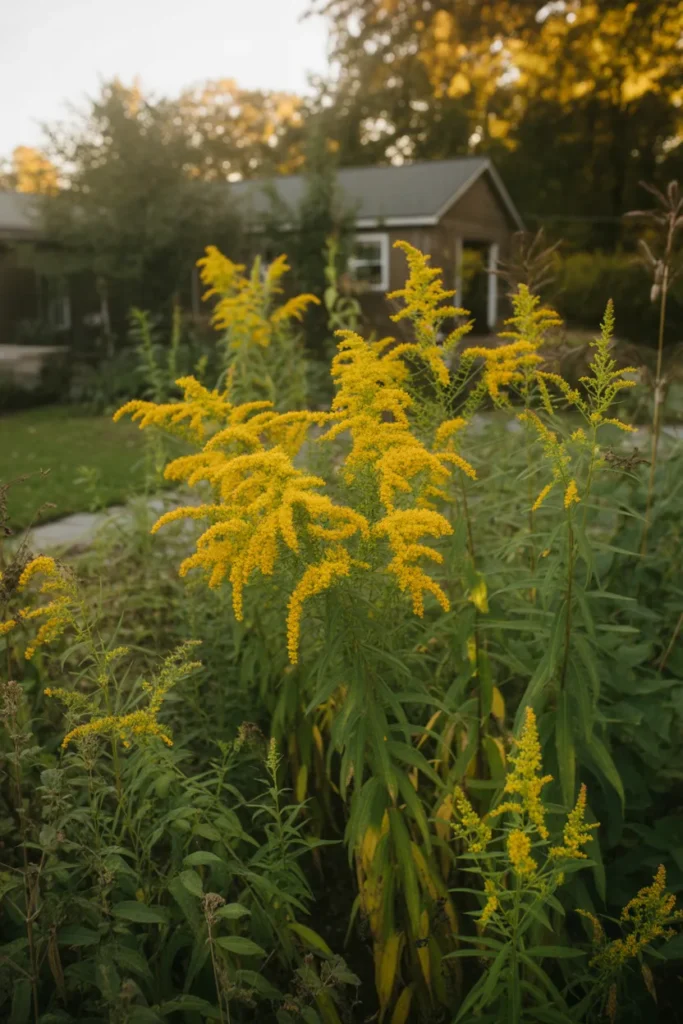
Goldenrod bursts into bright yellow blooms toward the end of summer. It provides essential nectar when many other flowers fade. Butterflies gather around its dense clusters during early fall. Adding goldenrod extends your garden’s vibrant display into cooler months.
18. Blanket Flower for Fiery Hues
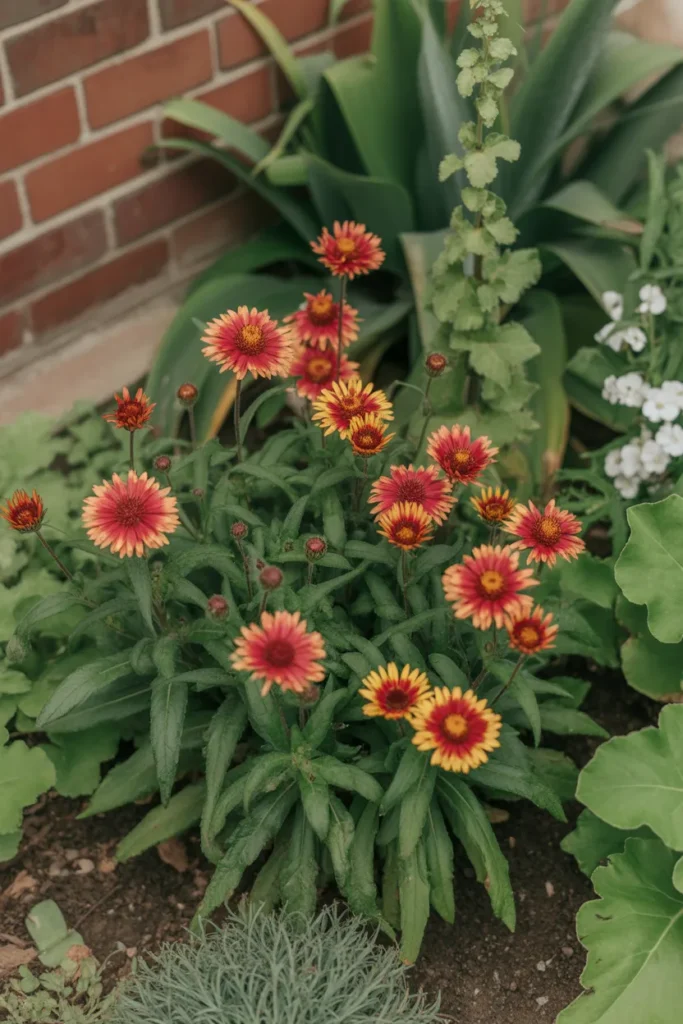
Blanket flowers display rich shades of red, orange, and yellow. Their daisy-like blooms withstand heat and dry conditions with ease. Butterflies frequently visit these bold blossoms for nectar. Including them brings warm, sunset-inspired tones to your backyard.
19. Joe-Pye Weed for Natural Height
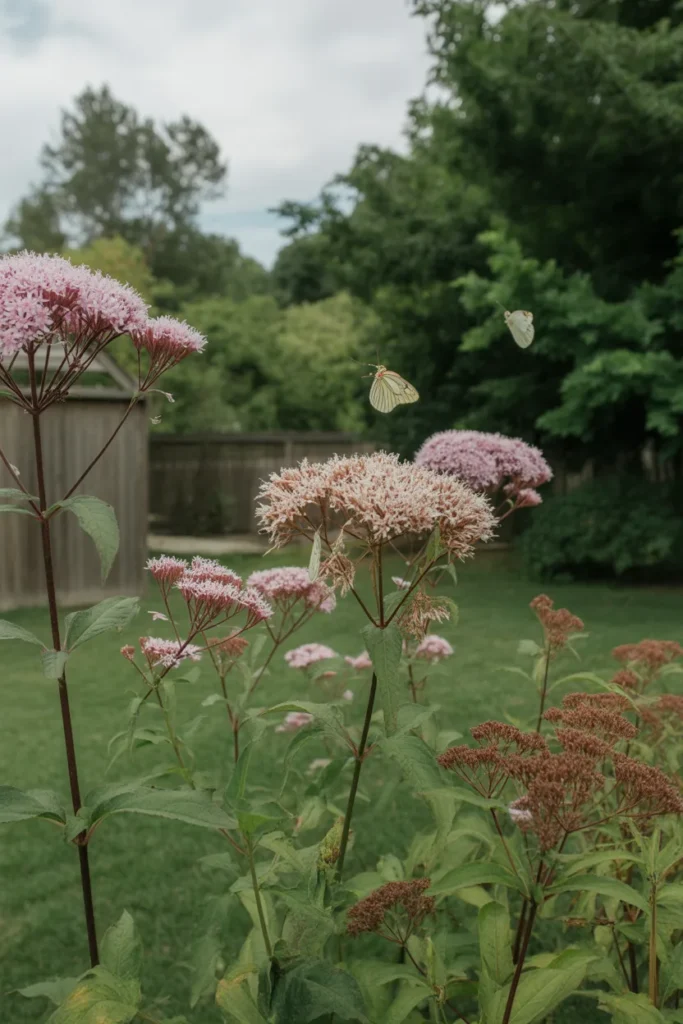
Joe-Pye weed adds impressive height and soft pink flower clusters. This native plant thrives in moist soil and sunny conditions. Butterflies are strongly attracted to its nectar-filled blooms. Position it toward the back of garden beds for a layered look.
20. Sunflowers for Dramatic Impact
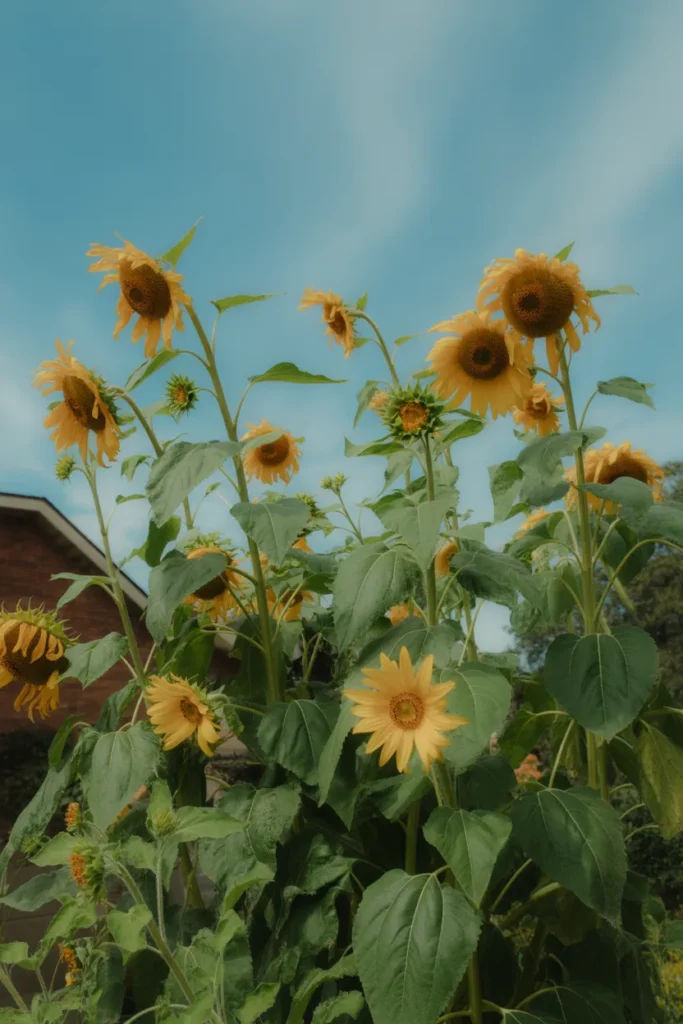
Sunflowers create a bold statement with their towering stems and wide golden petals. Their large centers provide a welcoming landing space for butterflies. These cheerful blooms thrive in sunny backyard settings. Planting sunflowers adds height, warmth, and unmistakable charm to your garden design.
21. Nasturtiums for Edible Colorful Beauty
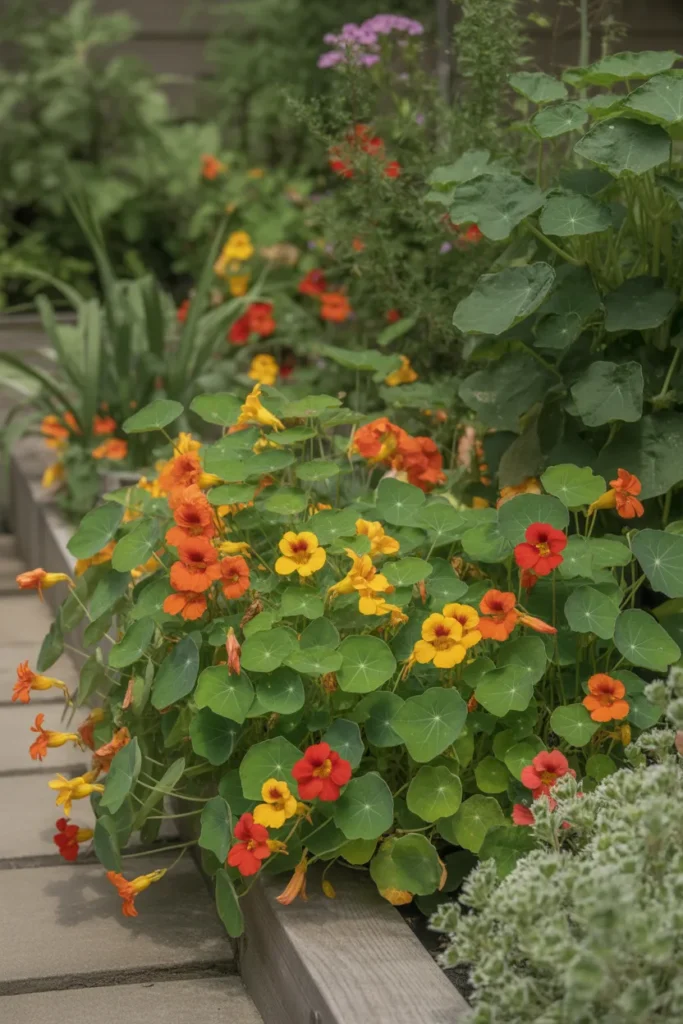
Nasturtiums offer both beauty and practicality with their edible, colorful blooms. Butterflies love their bright petals and sweet nectar. These plants grow well in containers, hanging baskets, or along garden edges. Their trailing vines add soft movement and texture to your backyard design.
22. Liatris for Vertical Purple Spires
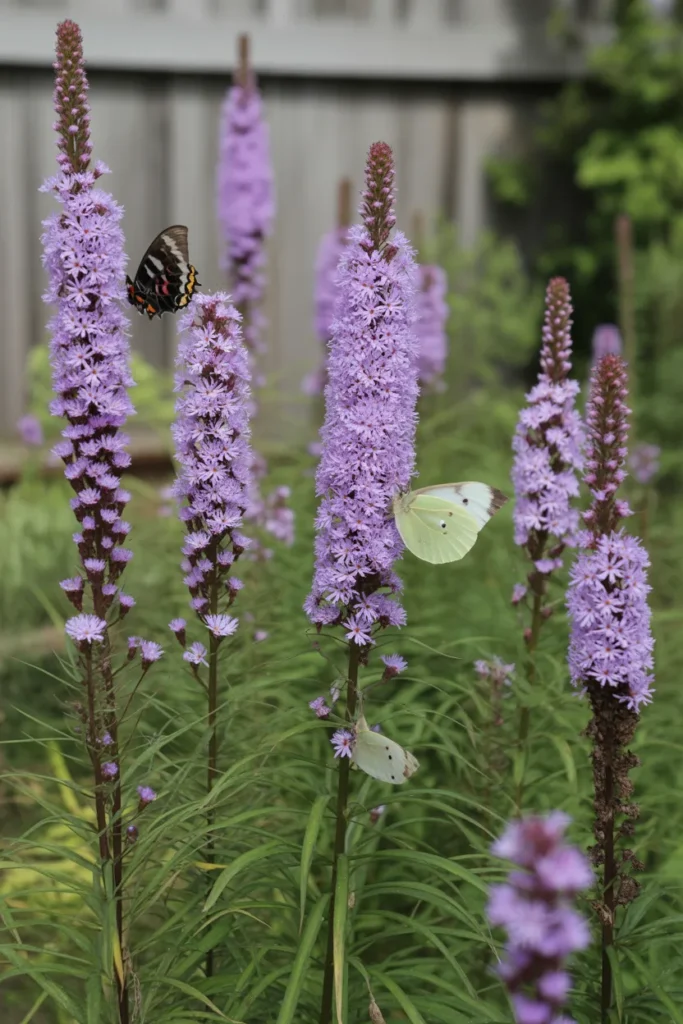
Liatris produces striking purple spikes that grow vertically like fireworks in the garden. These flowers are highly attractive to butterflies during peak blooming season. They add architectural structure to flower beds. Pairing liatris with yellow flowers creates stunning visual contrast.
23. Heliotrope for Sweet Fragrance
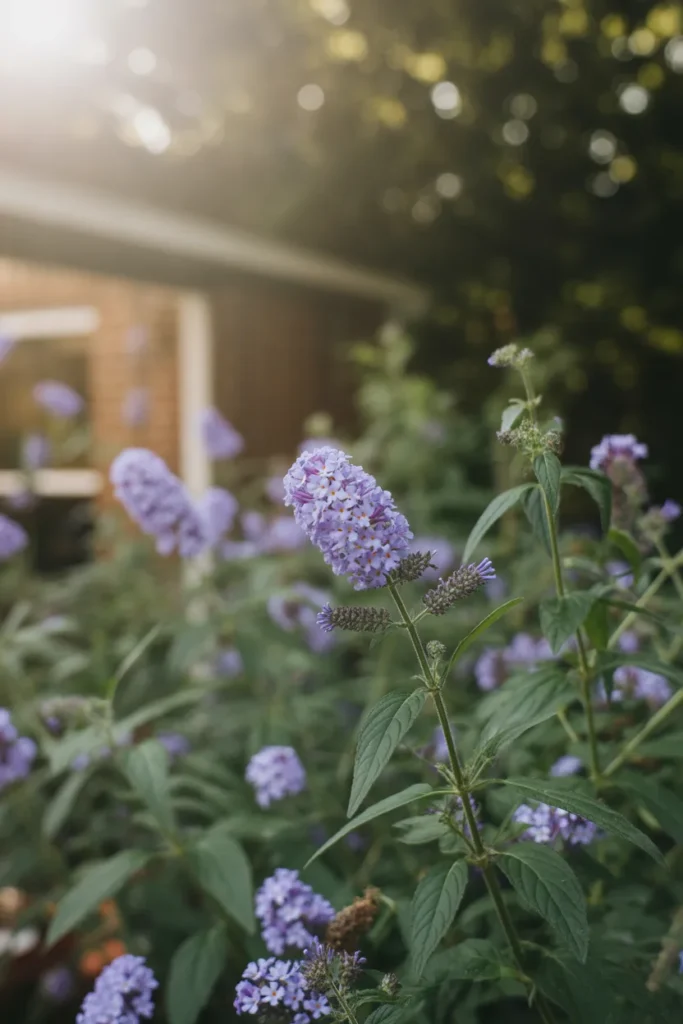
Heliotrope flowers release a sweet vanilla-like fragrance that attracts butterflies and pollinators. Their deep purple clusters provide rich color accents. These plants grow well in sunny, sheltered backyard spots. Adding heliotrope enhances both scent and visual appeal.
24. Mariposa Lily for Wild Garden Charm
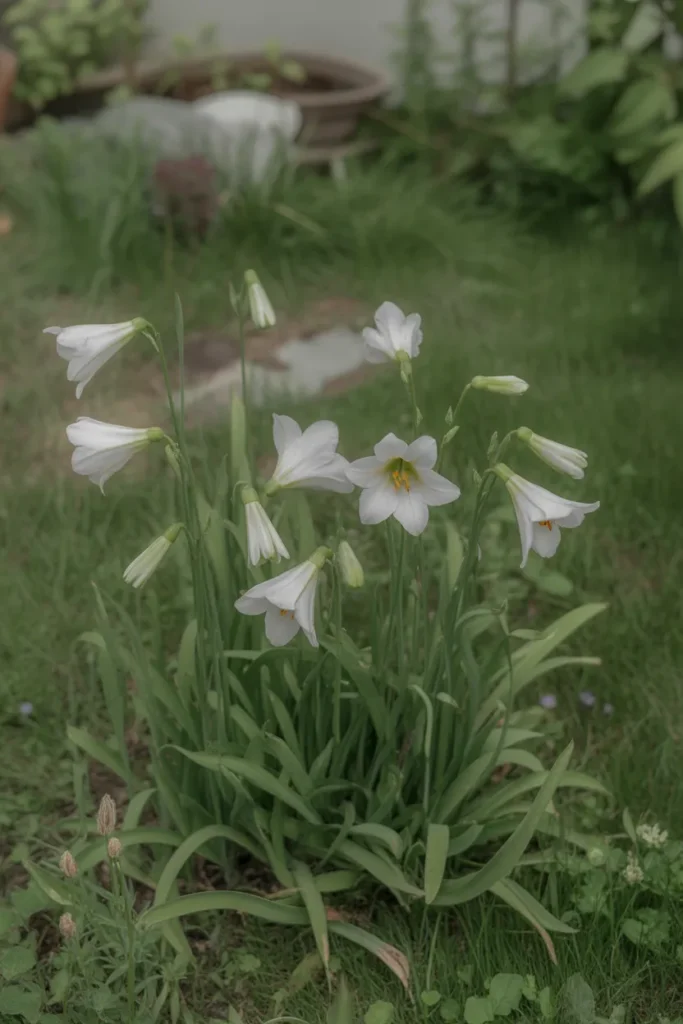
Mariposa lilies add delicate elegance to natural-style garden designs. Their white and soft pastel petals create a peaceful atmosphere. Butterflies are attracted to their simple yet graceful blooms. These flowers work best in lightly shaded backyard areas.
25. Gaillardia for Sunset Colors
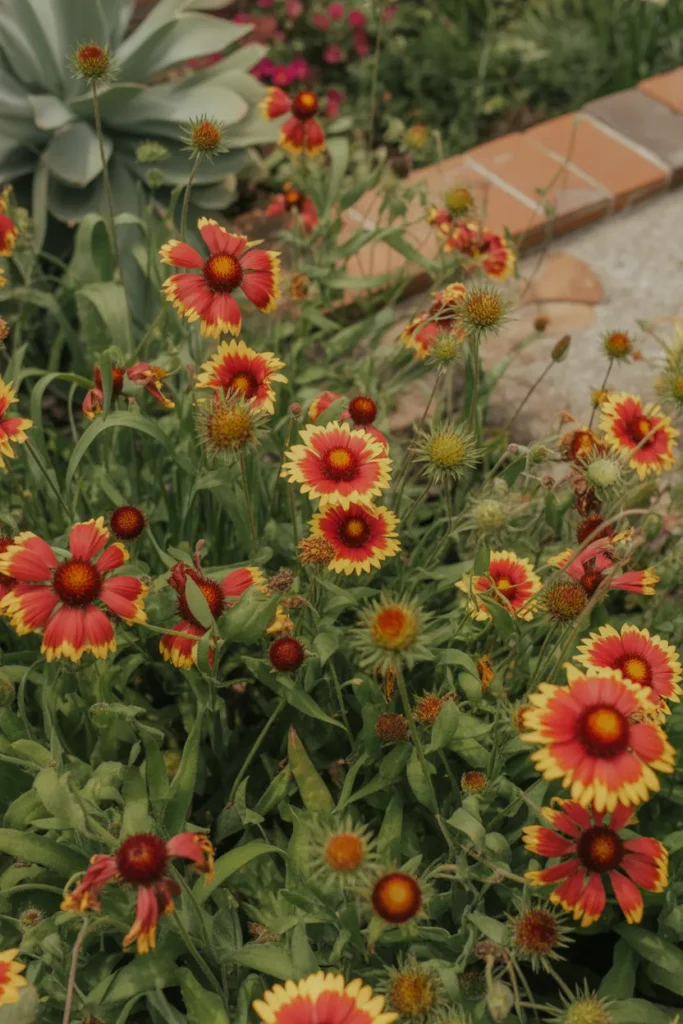
Gaillardia, also known as blanket flower, features sunset-like color patterns. These flowers bloom continuously through hot summer weather. Butterflies love visiting their open, nectar-filled centers. Planting gaillardia creates energetic color transitions in your backyard.
26. Sweet Alyssum for Soft Ground Cover
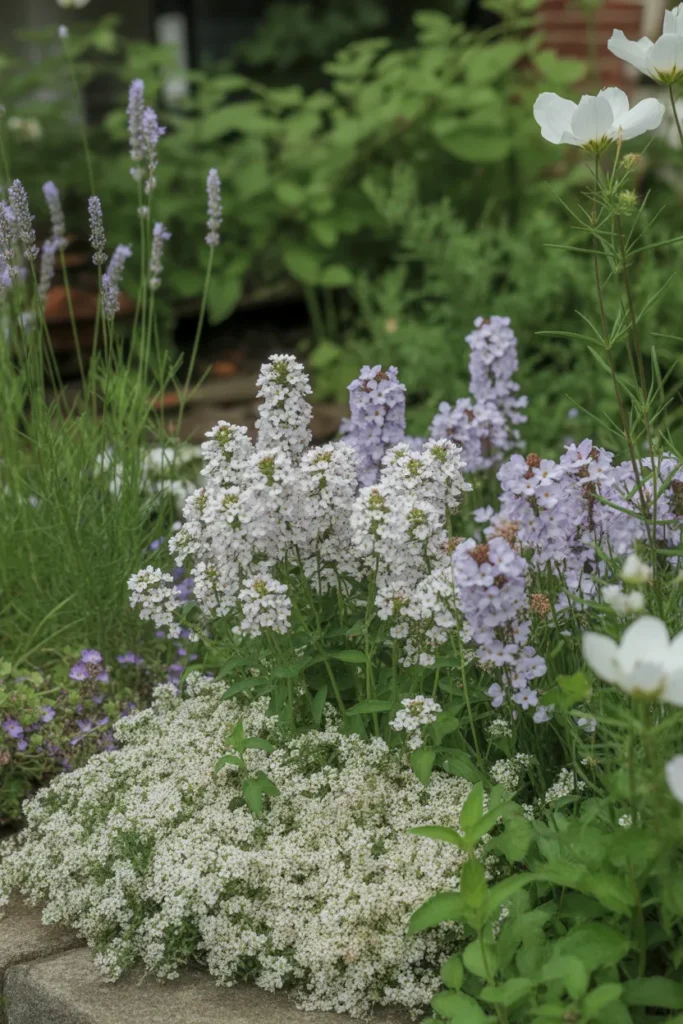
Sweet alyssum forms delicate carpet-like clusters of tiny flowers. These low-growing plants attract butterflies while filling empty spaces. Their soft white blooms create elegant garden edges. They work perfectly between larger flowering plants.
27. Hydrangeas for Large Floral Impact
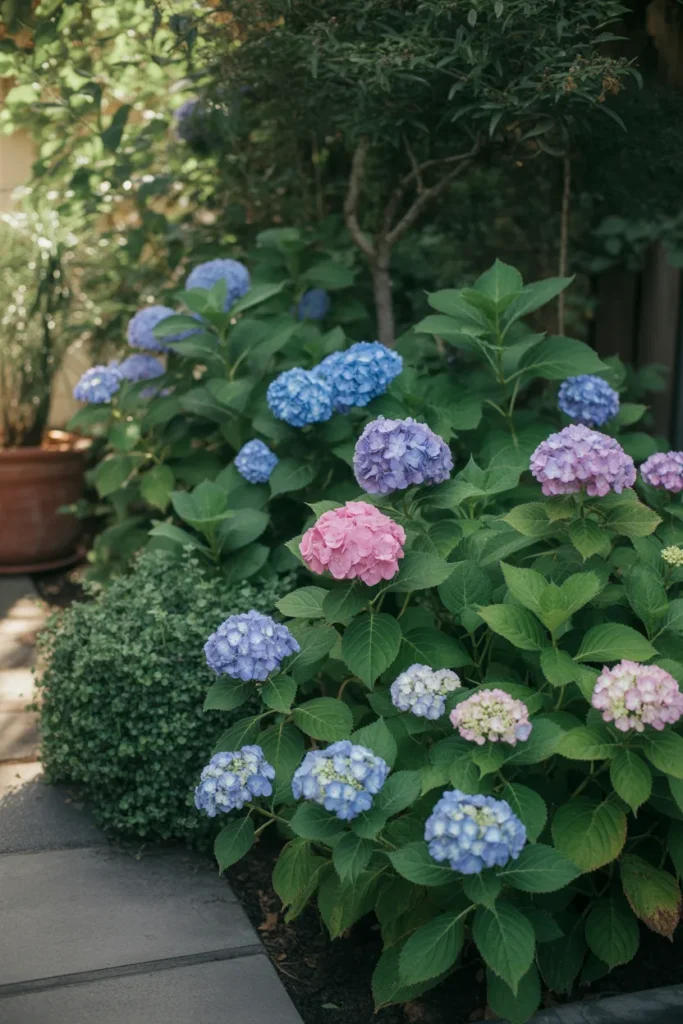
Hydrangeas provide large, showy flower clusters that create instant visual impact. Their color variations range from blue to pink and white. These shrubs work beautifully as garden focal points. Butterflies are drawn to their abundant blooms during peak season.
28. Russian Sage for Silver-Blue Elegance
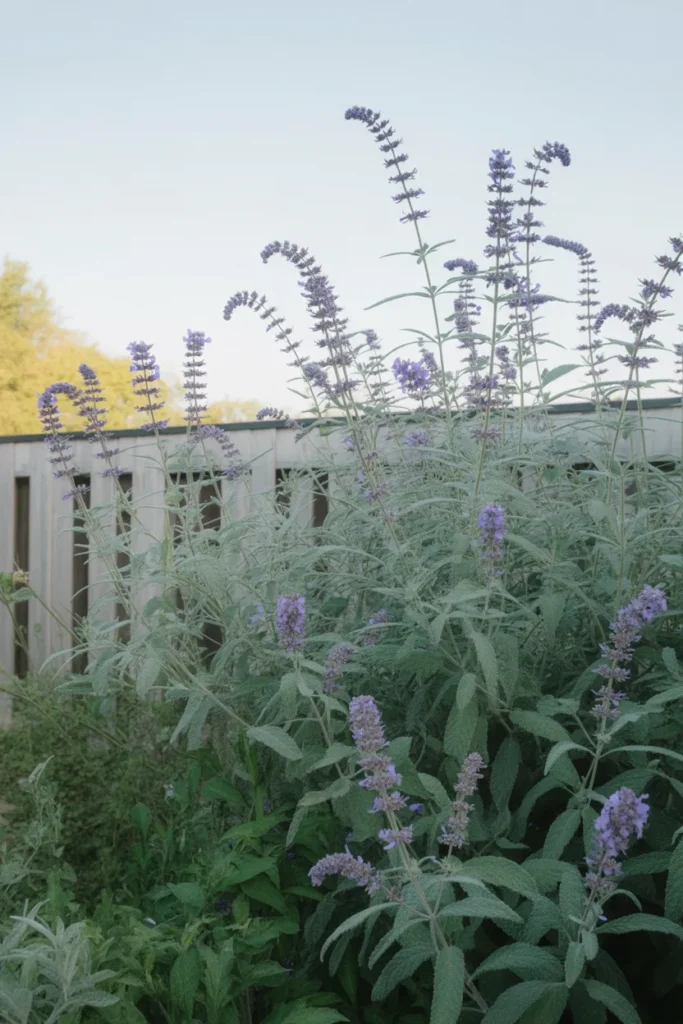
Russian sage adds a unique silver-blue color palette to backyard gardens. Its airy flower spikes move beautifully with the wind. Butterflies enjoy visiting its nectar-rich blooms. This plant adds elegant contrast to brighter flowers.
29. Coral Honeysuckle for Climbing Beauty
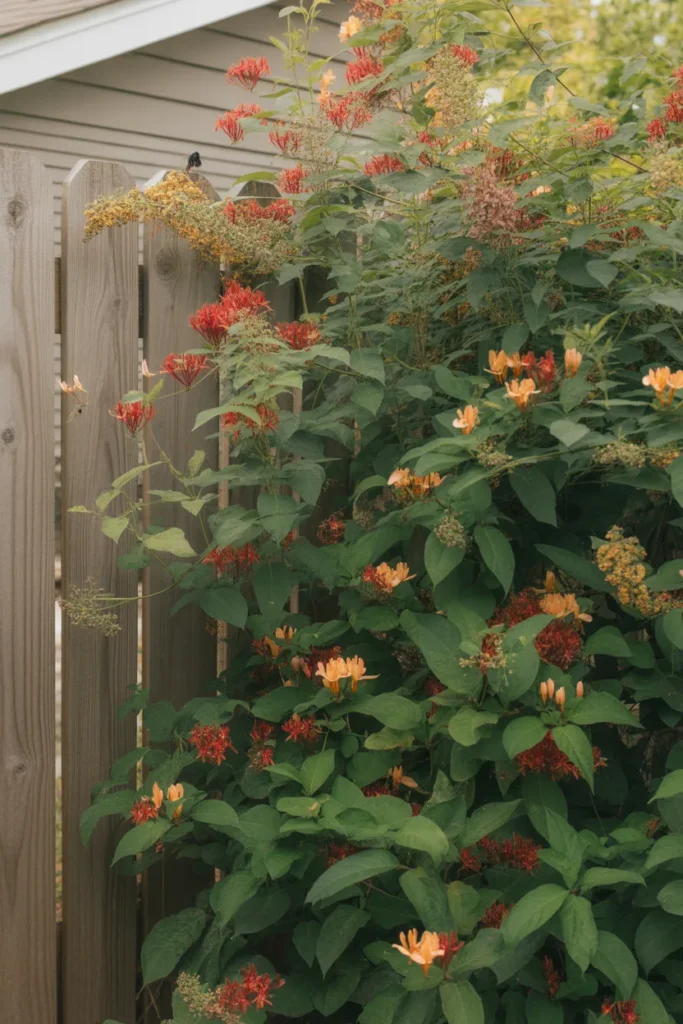
Coral honeysuckle is a beautiful climbing plant that decorates fences and trellises. Its tubular flowers are perfect for attracting butterflies. The bright red and orange colors stand out against green foliage. This plant is ideal for vertical garden designs.
30. Scabiosa for Unique Flower Shapes
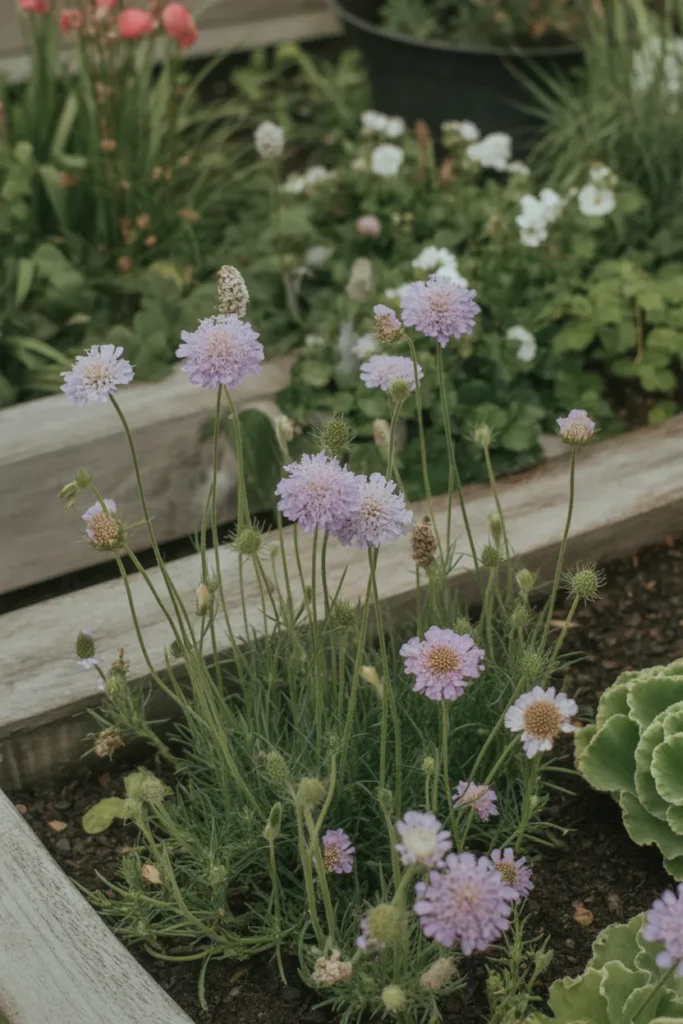
Scabiosa flowers have unique pincushion-like centers that create visual interest. Their soft pastel shades attract butterflies easily. These plants bloom for long periods in sunny locations. Mixing scabiosa with taller plants creates balanced garden layers.
31. Yarrow for Hardy Backyard Color
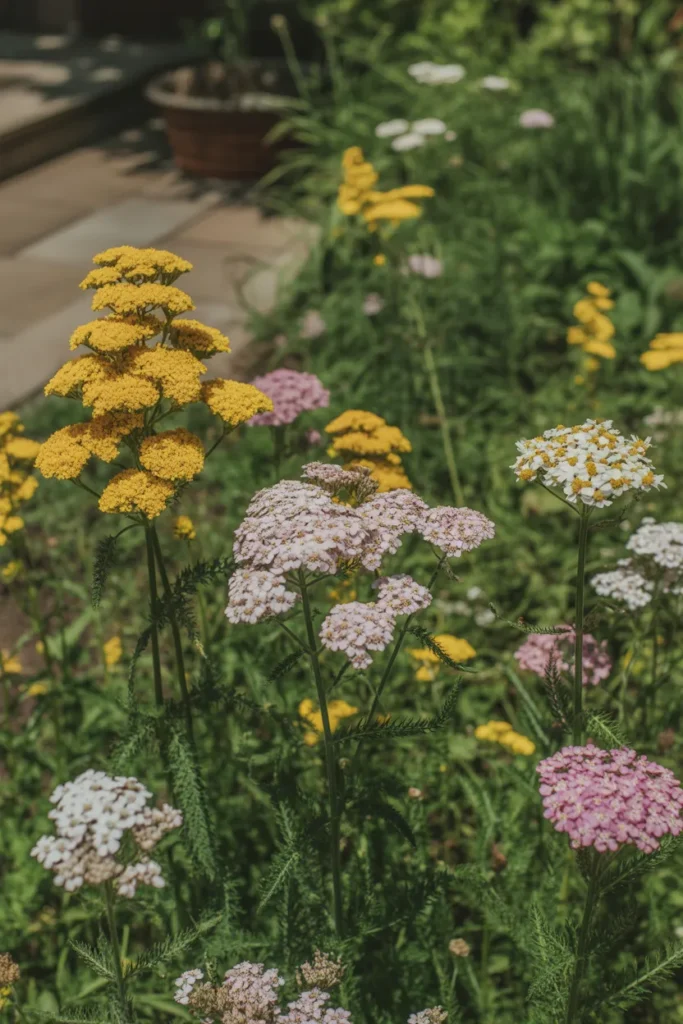
Yarrow is a tough perennial that thrives in hot, dry conditions. Its flat flower clusters provide easy landing spots for butterflies. The soft, feathery foliage adds texture to garden beds. Plant yarrow in sunny areas for the best flowering results.
32. Ageratum for Soft Blue Carpet Blooms
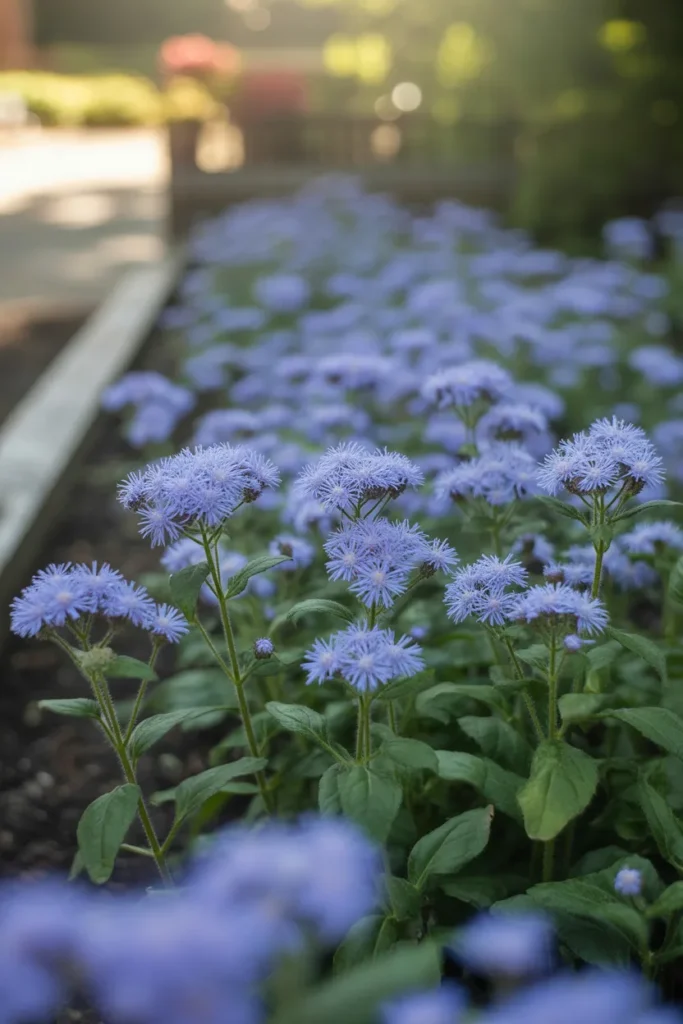
Ageratum produces soft, fluffy blue flower clusters that resemble tiny clouds. Butterflies enjoy visiting these nectar-rich blooms throughout summer. This plant works well as a border or filler flower. Combining ageratum with bright flowers enhances visual contrast.
33. Penstemon for Tubular Butterfly Nectar
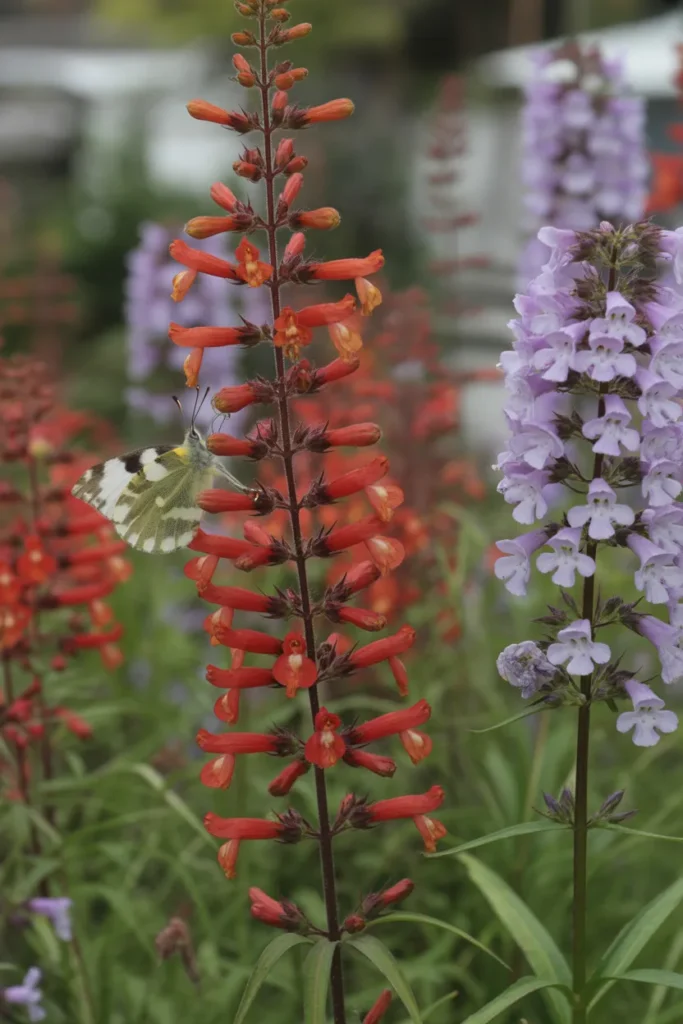
Penstemon flowers have tubular shapes that are perfect for butterfly feeding. Their bright red and purple shades add bold color accents. These perennials grow well in sunny, well-drained soil. Penstemon also adds vertical structure to garden designs.
34. Dahlia for Show-Stopping Blooms
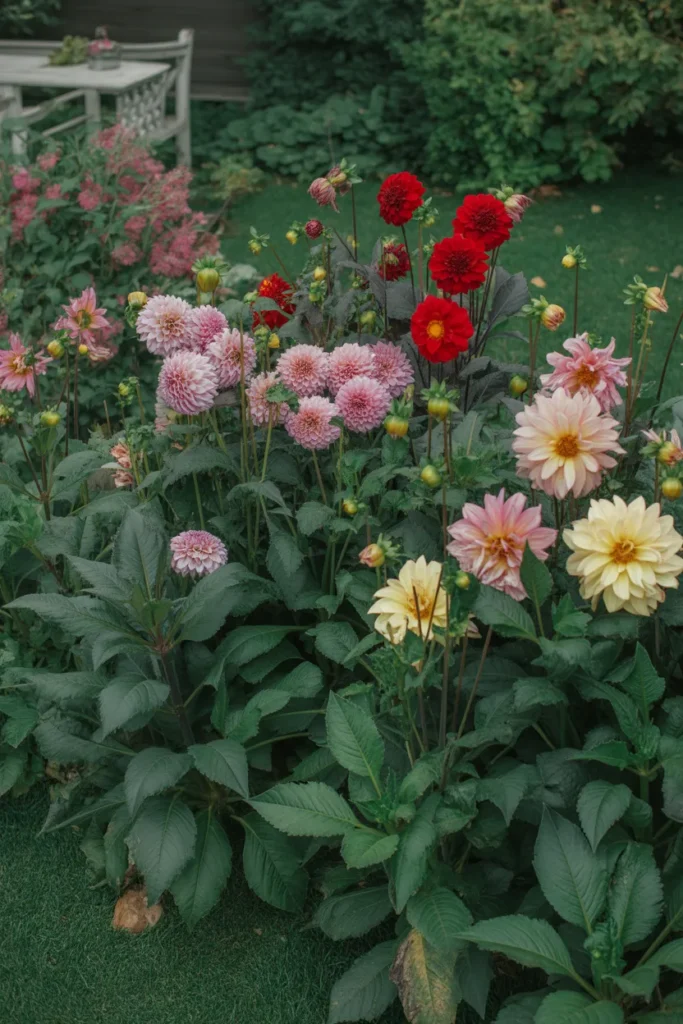
Dahlias are known for their large, decorative blooms and vibrant color variety. They attract butterflies while creating a luxury garden look. These flowers require regular watering and sunny locations. Mixing different dahlia varieties creates a stunning visual display.
35. Impatiens for Shaded Backyard Spots
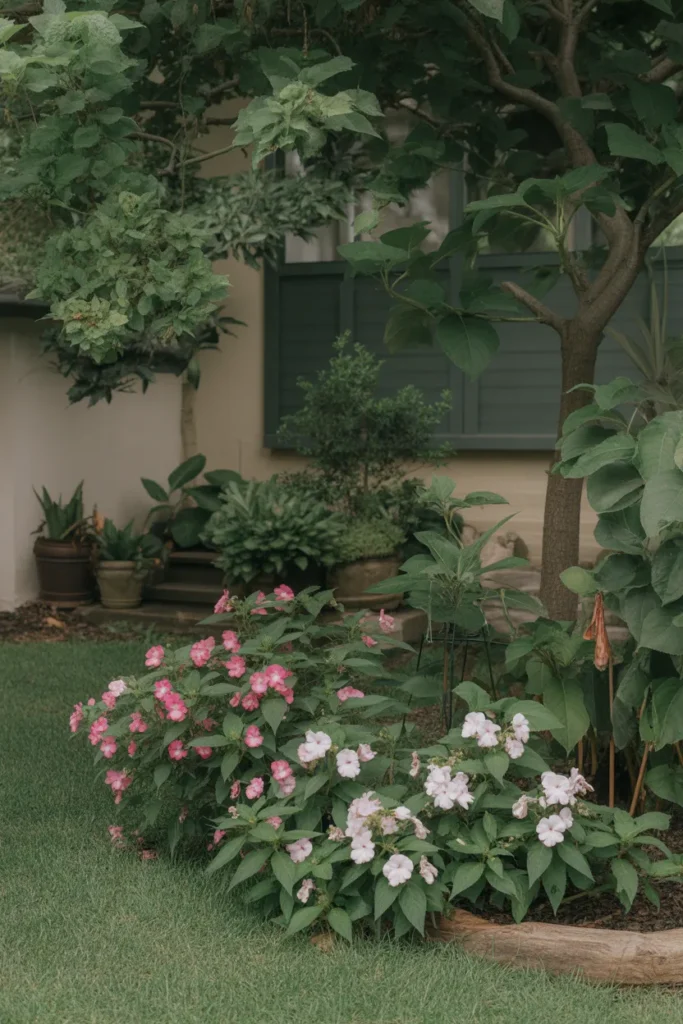
Impatiens are perfect for shady backyard areas where other flowers struggle. Their soft pastel blooms still attract butterflies. These plants grow well in pots and shaded borders. Regular watering keeps them blooming continuously.
36. Mexican Sunflower for Tropical Brightness
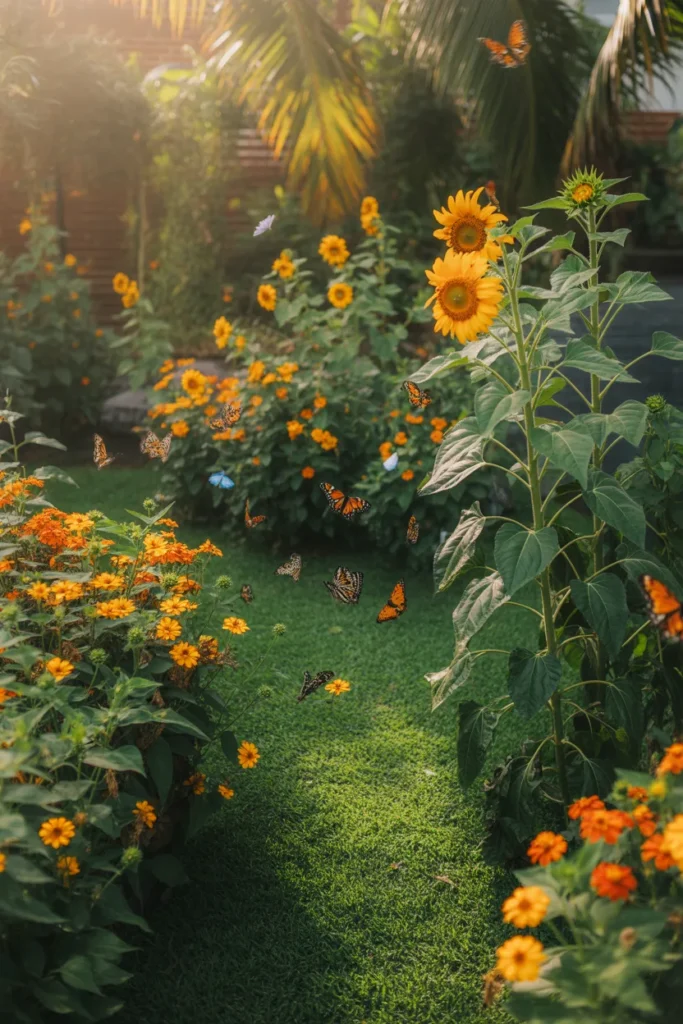
Mexican sunflowers provide large orange blooms that attract many butterflies. These plants grow tall and add dramatic height to gardens. They thrive in hot climates with plenty of sunlight. Their bright color adds tropical energy to backyard spaces.
37. Lobelia for Cascading Blue Accents
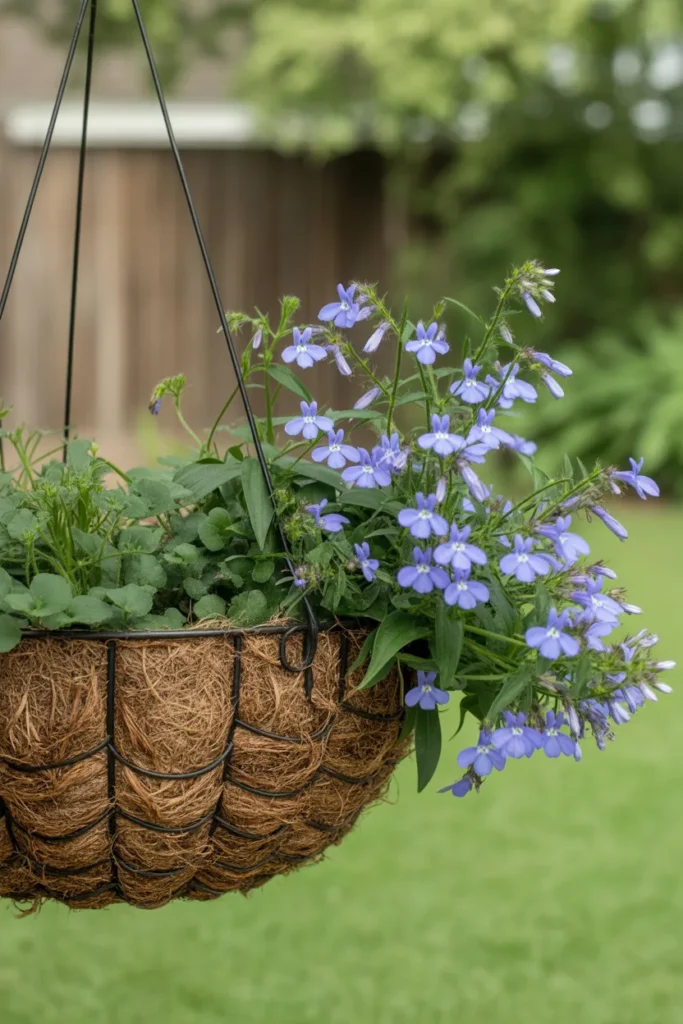
Lobelia produces delicate blue flowers that cascade beautifully from hanging baskets. Butterflies are drawn to its small, nectar-rich blooms. This plant adds softness to vertical garden spaces. It pairs well with brighter flowering plants.
38. Verbascum for Tall Yellow Spikes
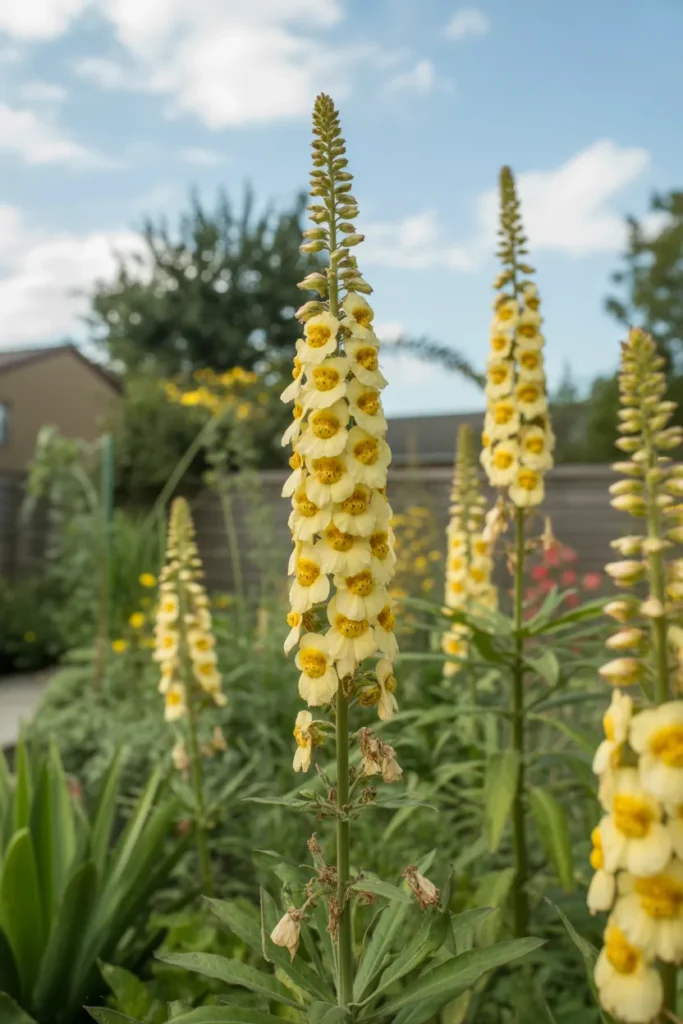
Verbascum creates tall flower spikes covered with yellow blooms. These plants add dramatic height and structure. Butterflies visit frequently during peak blooming periods. Verbascum works well in natural-style or cottage gardens.
39. Dianthus for Sweet Pink Details
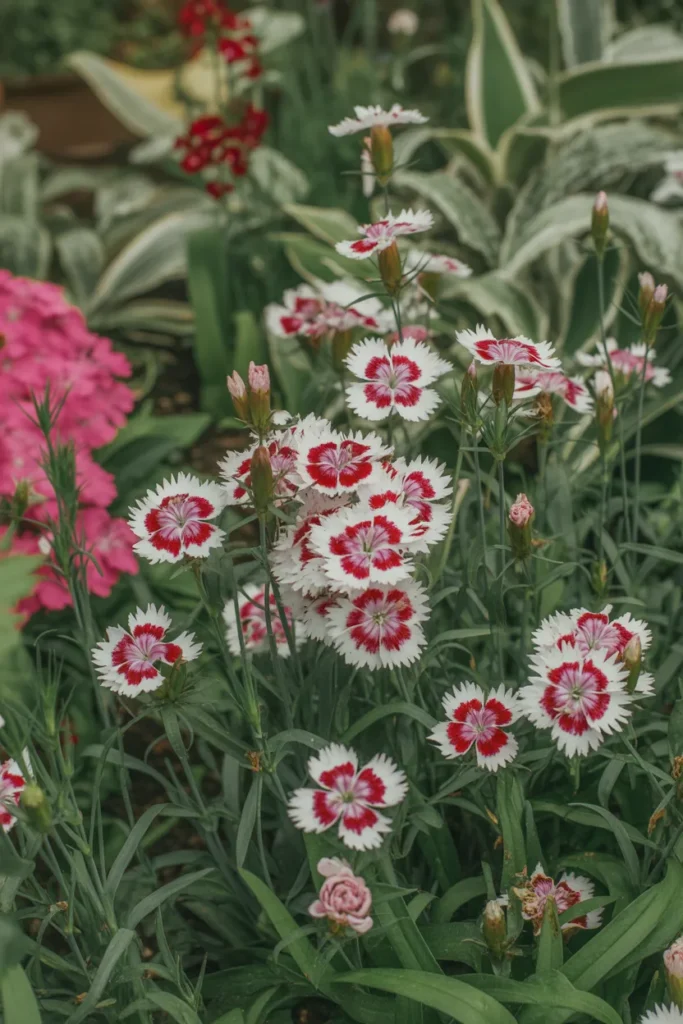
Dianthus offers delicate pink and white flowers with a sweet fragrance. These compact plants are perfect for edging garden paths. Butterflies enjoy their nectar-rich blossoms. Planting dianthus adds soft romantic colors to backyard spaces.
40. Blue Mistflower for Pollinator Paradise
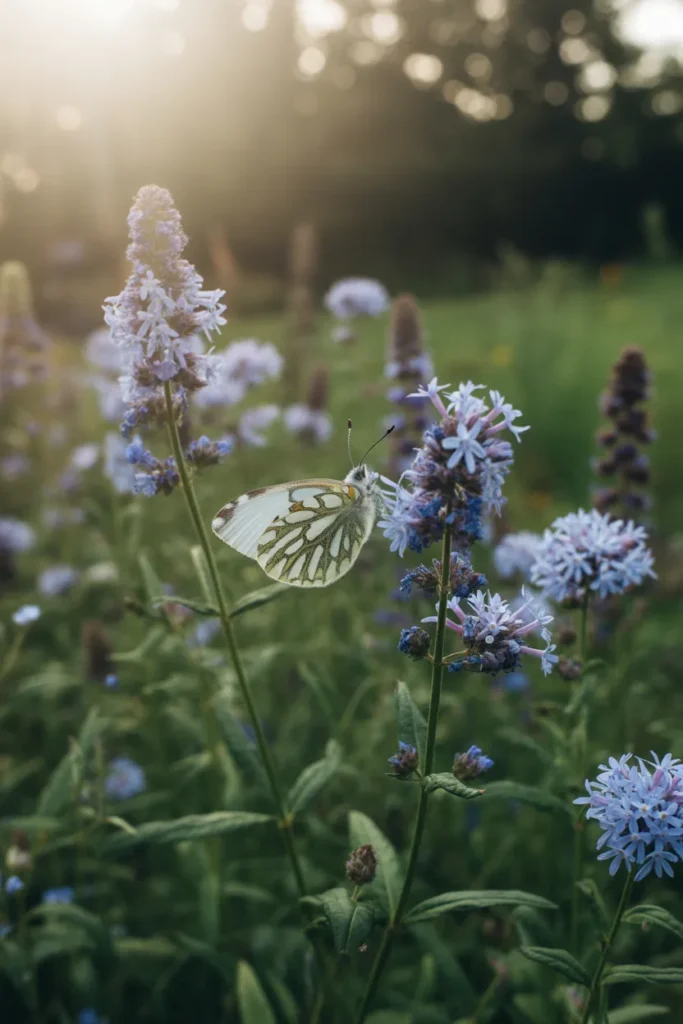
Blue mistflower is highly attractive to butterflies and other pollinators. Its fuzzy blue flowers create soft color textures. This plant grows well in natural or wild garden settings. Including mistflower completes a vibrant, butterfly-friendly backyard ecosystem.
Conclusion
Creating a butterfly-friendly garden with butterfly garden plants brings color, life, and movement to your backyard. These plants not only improve the aesthetic appeal of your landscape but also help support essential pollinators. By combining different plant heights, textures, and bloom colors, you can design a garden that remains beautiful throughout multiple seasons. Butterfly garden plants also encourage outdoor relaxation and connection with nature.
Maintaining a butterfly garden is simple when you choose hardy, low-maintenance butterfly garden plants that suit your climate. Regular watering, proper sunlight exposure, and seasonal pruning will keep your garden healthy and thriving. With thoughtful planning, your backyard can become a stunning butterfly sanctuary filled with natural beauty and vibrant life.